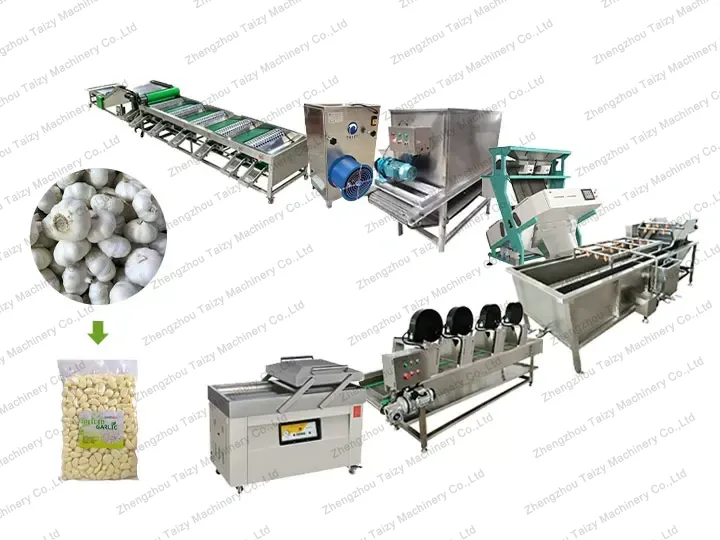
Taizy garlic slicer exported to Australia for a condiment processing plant
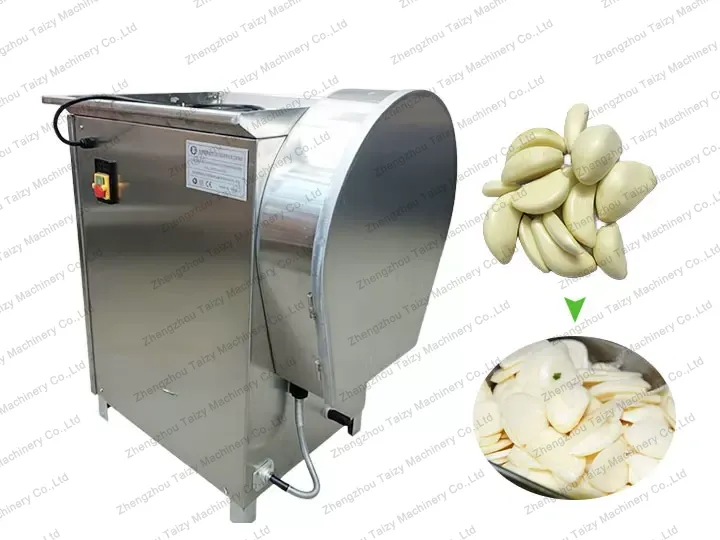
An Australian facility specializing in the primary processing of fresh condiments had long relied on manual labor to slice garlic during daily operations. To improve processing efficiency, the client purchased a garlic slicer machine from our company.
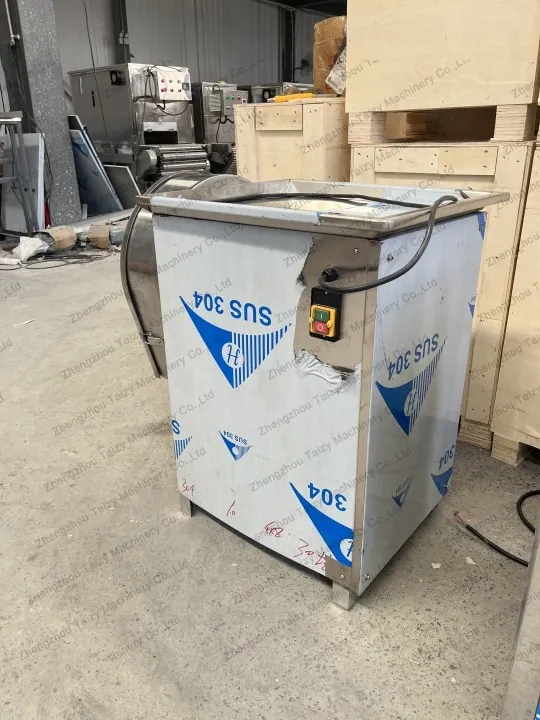
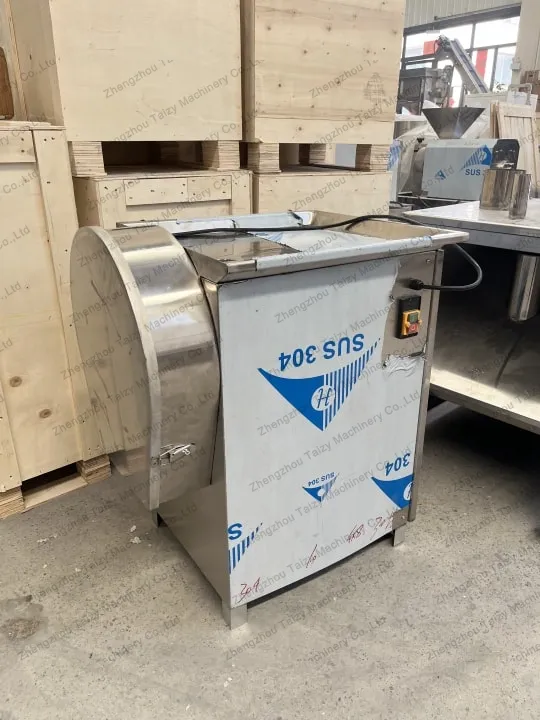
Customer’s actual processing requirements
The client purchased the garlic slicer machine primarily for processing fresh, peeled garlic. During the initial consultation, the client outlined the following processing requirements:
- Uniform slice thickness to facilitate subsequent dehydration and packaging processes.
- A production capacity of 2,400kg/day.
- Compatibility with a 220V single-phase power supply to avoid the need for electrical system modifications.
Detailed information on Taizy garlic slicer
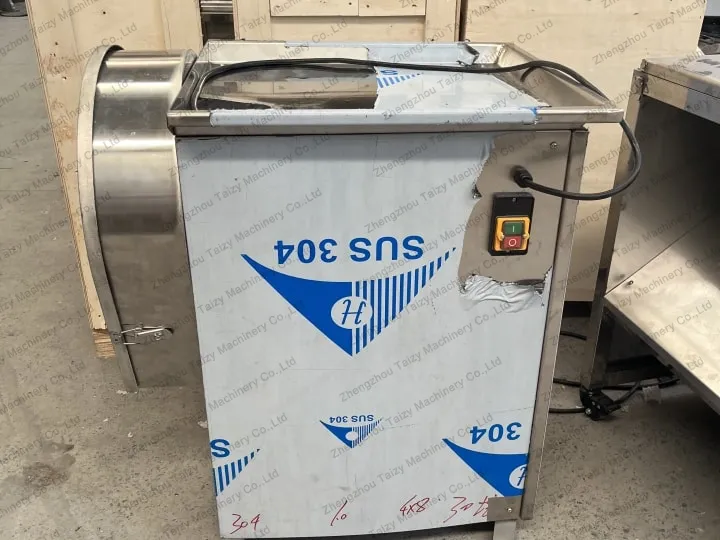
After comparing options, our client ultimately selected the TZ-300 garlic slicing machine. Its specifications are as follows:
- Model: TZ-300
- Capacity: 300kg/h
- Power: 0.75kw
- Voltage: 220V/50Hz (single-phase)
- Dimensions: 78*60*110cm
- Weight: 90kg
Analysis of reasons for equipment selection
The client ultimately selected the TZ-300 garlic slicer machine based on three key practical factors:
- Production capacity alignment: The 300 kg/h output handles current order volumes while allowing room for future expansion.
- Electrical compatibility: It operates on 220V single-phase power, requiring no additional electrical modifications.
- Compact design: It integrates directly into the existing processing workflow and has a small footprint.
Customer operational performance
Once this garlic slicer machine was put into operation, the primary changes centered on three areas:
- More stable processing pace: The garlic slicing machine operates continuously, eliminating the pauses associated with manual handling and making the overall production rhythm easier to control.
- Greater slice thickness consistency: Slice thickness remains uniform across the batch, facilitating standardization in subsequent drying, freezing, and packaging processes.
- Reduced labor requirements: The slicing process, which previously required 2–3 workers, now needs only one person to handle feeding and collection.
Project summary
The application of the TZ-300 garlic slicer machine at this Australian facility has yielded key improvements in processing efficiency and slice consistency, while simultaneously reducing reliance on manual labor.
For food processing enterprises of a similar scale, introducing standardized slicing equipment during a period of order growth can more directly enhance production stability and minimize losses caused by operational fluctuations.